As a hearing loss coach, I support people with the day-to-day reality of living with hearing loss. We work on managing real-life situations and navigating the emotional and practical changes that often come with hearing loss.
When I lost my hearing, I had so many questions: How do I explain this to my family? What do I say at work? Can I still do the things I love? The appointments with ENTs and audiologists were over, but I still had to figure out how to live with hearing loss day to day.
Through coaching, I offer the kind of support I needed back then. It’s a space to talk things through, explore your experience of hearing loss and how it impacts and fits into your everyday life, and find ways to navigate life with more confidence at home, at work, and out in the world. We look at things like communication, self-advocacy, identity, and practical strategies that can make everyday life feel more manageable.
Hearing loss coaching isn’t therapy or medical care. It’s real-life support, based on listening, understanding, and helping you figure out what comes next.
For me, this work is also personal. I’ve been living with hearing loss for almost 10 years, so I understand the day-to-day challenges, the adjustments, and the emotional ups and downs that can come with it. Over time, I’ve built up lots of tools and strategies that have helped me with my own hearing loss, and now I use them to support others as well.
There’s something special about being able to talk to someone who understands this experience. Friends and family can be incredibly supportive, but it can be difficult for them to fully grasp the day-to-day reality of living with hearing loss, such as the effort it takes, the fatigue, and the emotional impact.
Is Hearing Loss Coaching for You?
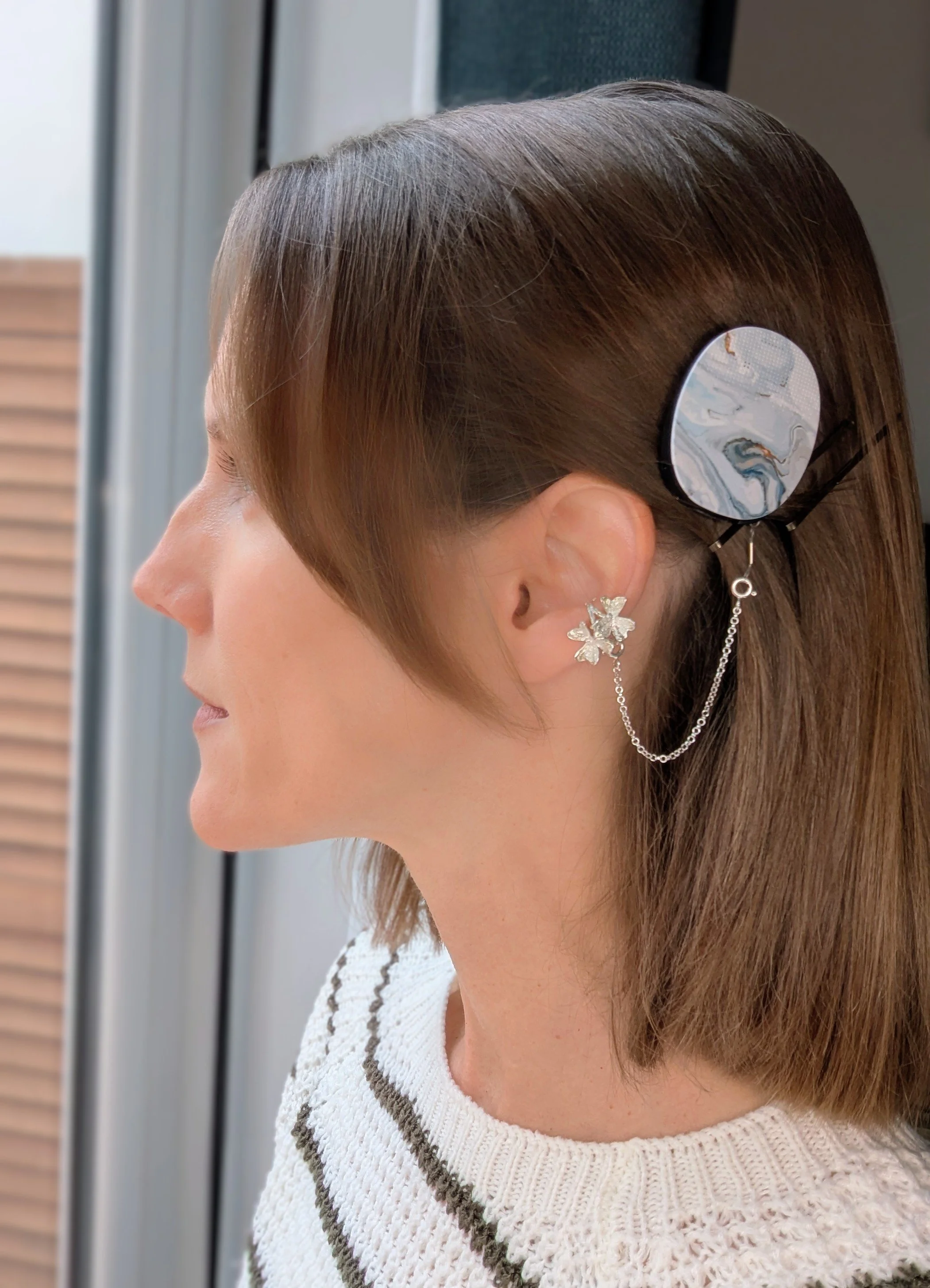
Photo of Carly wearing her RONDO 3 cochlear implant processor with a white marble cover, attached to a silver safety chain and a silver flower ear cuff. She has a calm, reflective expression.
Coaching can cover a wide range of areas depending on what you’re going through and what feels most important to you. You might want to explore some of the following topics:
How to be your own advocate
Improving communication with partners, friends, family, or colleagues
Moving forward after a sudden hearing loss
Getting the most out of audiology appointments
Decisions around hearing aids or cochlear implants
Building confidence in wearing and using hearing aids in everyday life
Enjoying social situations again
Limiting beliefs or that “inner critical voice” around hearing loss
Overcoming low confidence or isolation
Workplace support and adjustments
Accepting and adjusting to hearing loss
How Can Coaching Help When Adjusting to Hearing Aids?
Getting hearing aids is often just the beginning of the journey. While your audiologist supports you with the technical side of your hearing care, there can be lots to navigate as you get used to wearing hearing aids in everyday life.
You might be wondering how to manage challenging listening situations, how to explain your hearing needs to family and friends, or how to feel more confident wearing your devices.
Hearing loss coaching provides an additional layer of support alongside your audiological care. Together, we can explore your experiences, work through any concerns or expectations, and identify practical strategies to help you feel more confident in everyday situations. Coaching can also help you reflect on what's working well with your hearing aids, identify any challenges, and prepare for conversations with your audiologist.
You don't need to be struggling to benefit from coaching. It's an opportunity to reflect on your progress, ask questions and find ways to make hearing aids part of your everyday life.
Hearing Loss Coaching Q&A
In case you have more questions, here are the ones I get asked most often, along with the answers.
-
Hearing loss coaching is a supportive, practical, and confidential space where I help you navigate the emotional and everyday challenges of hearing loss. Together, we focus on communication, decision-making, coping strategies, and building confidence.
-
No. Coaching focuses on the present and on practical ways to move forward. Therapy often explores past experiences and mental health in more depth. Coaching can help you to live well with hearing loss and make confident choices.
-
Anyone experiencing hearing loss, whether sudden, single-sided, gradual, congenital, or age-related, as well as those supporting someone with hearing loss. I work with adults looking for emotional support, guidance, and practical tools.
-
Sessions take place via Zoom with captions, so you can join from home. Each session is an hour long, and you’ll receive notes and simple next steps after each session.
-
Each session is tailored to you. We start by focusing on what you want to work on. I’ll ask what you’d like to focus on and what you want to get out of the session.
Tip: Come to the session with a clear goal and an idea of what you’d like to get out of it.
I then ask coaching questions to help you think things through, see things from new perspectives, and identify practical next steps, while also giving you time and space to pause, reflect, and process.
Coaching questions help you think things through, build self-awareness, and see your situation from different perspectives. Rather than giving advice, they encourage you to explore your own thoughts and feelings, find your own answers, and identify practical next steps. This process helps you come to your own solutions and builds confidence, as you start to trust your own judgement and feel more able to move forward.
Figuring out the best way for you to live well with your hearing loss will look different for everyone. What works for me, or someone else, might not be the right fit for you.
By the end of the session, we’ll agree on simple next steps. For example, if you are working on self-advocacy when out and about, a next step could be something like asking for a corner table in a restaurant or explaining to your friends the best place to sit so you can hear them.
-
This depends on your goals. Some people find a few sessions enough, while others prefer ongoing support. We’ll decide together what feels right for you.
Final Thoughts
Hearing loss can feel overwhelming at times, but you don’t have to figure it all out alone.
Coaching helps you move forward in a way that works for you, with practical tools, support, and space to rebuild confidence.
If this feels like it could help, you're welcome to get in touch and tell me a little about yourself and what support you're looking for.